8 October 2026
The other day I caught myself speed-reading Vespers. Instead of praying the psalms, I was rushing the psalms, so that I could finish Vespers efficiently and move onto the next task. I forced myself to start Vespers over, taking my time and praying with intention.
We live in a world that prizes efficiency and speed, and rarely there is a moment when we are not multi-tasking. Not long ago I attended an online training for non-profit boards thanks to Dr. Ruth Fletcher, the Head of School at St. Andrew’s Schools. The facilitator was an English teacher, and she shared the story of how in her first teaching job, she was told by the other English teachers that for faculty meetings, the English teachers sit in the back together while grading papers. The English faculty claimed that their grading workload was greater than all the other subjects, hence they should be allowed to grade papers during the faculty meetings. The problem was that they were not in solidarity with their fellow faculty during meetings, and they were not serving their students due to ill-focused grading. Grading requires a singular focus as does quality faculty discussion.
When we study a subject, we can also fail to be present while learning. I know that during my continuing education studies, I can be tempted to complete assignments for the sole sake of finishing the task. In our culture of speed and efficiency, we can easily do assignments without learning the material. We can even receive high marks while failing to master the knowledge thoroughly.
What is missing in all of this? Joy. If joy is missing, the default becomes “getting things done.” Why do I pray Vespers everyday? Because prayer with God brings joy. Why do we study, or why do we read? Because such learning brings joy. Sometimes we have to remind ourselves why we do what we do. We pray to enjoy God’s presence, and we study to experience the wonder and awe of God.
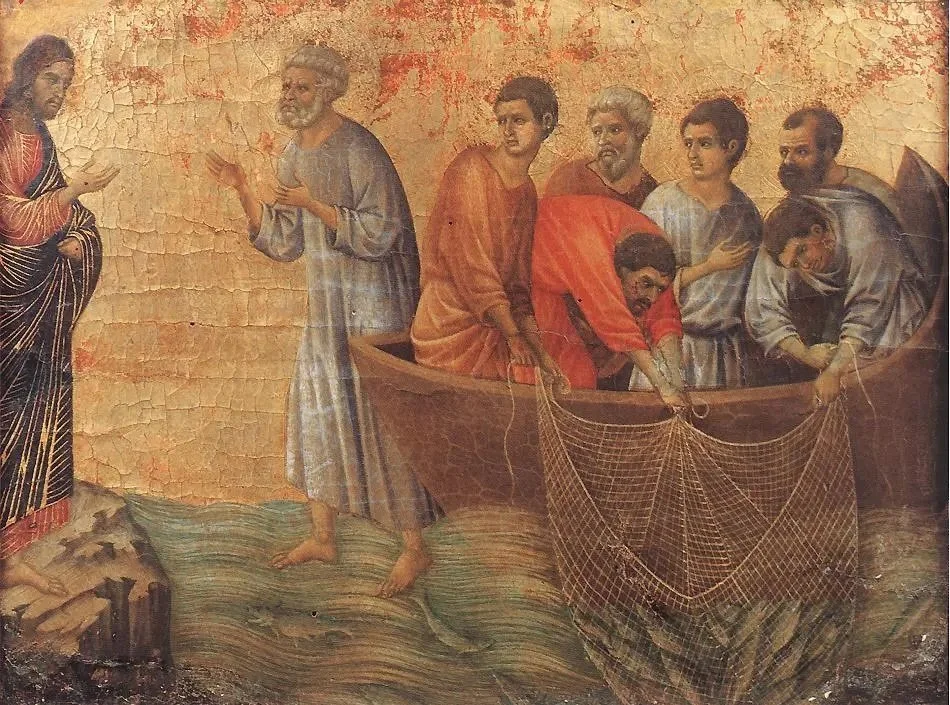
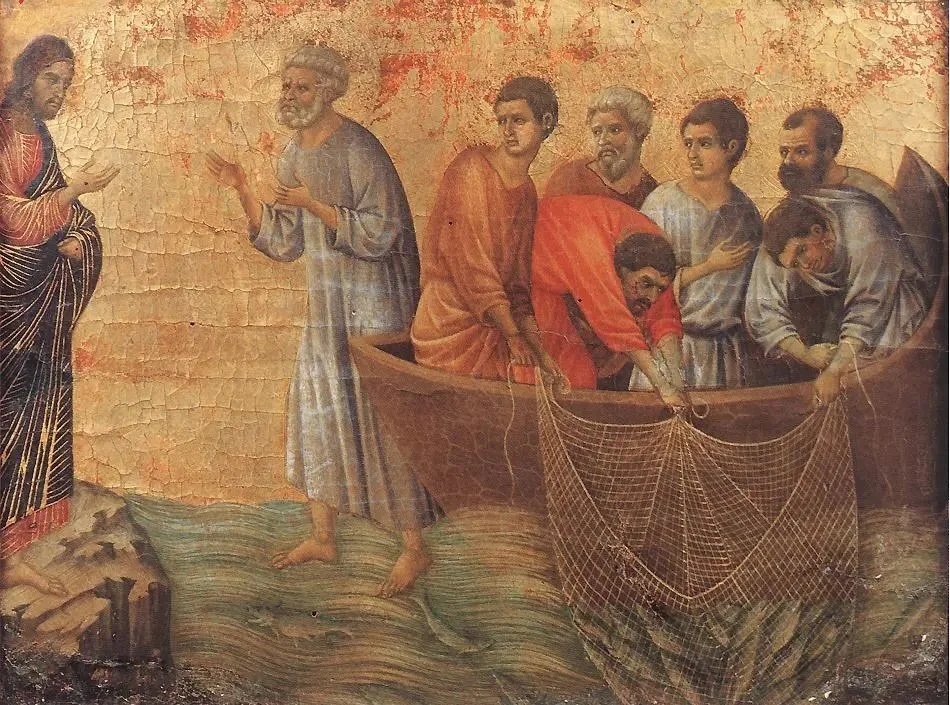
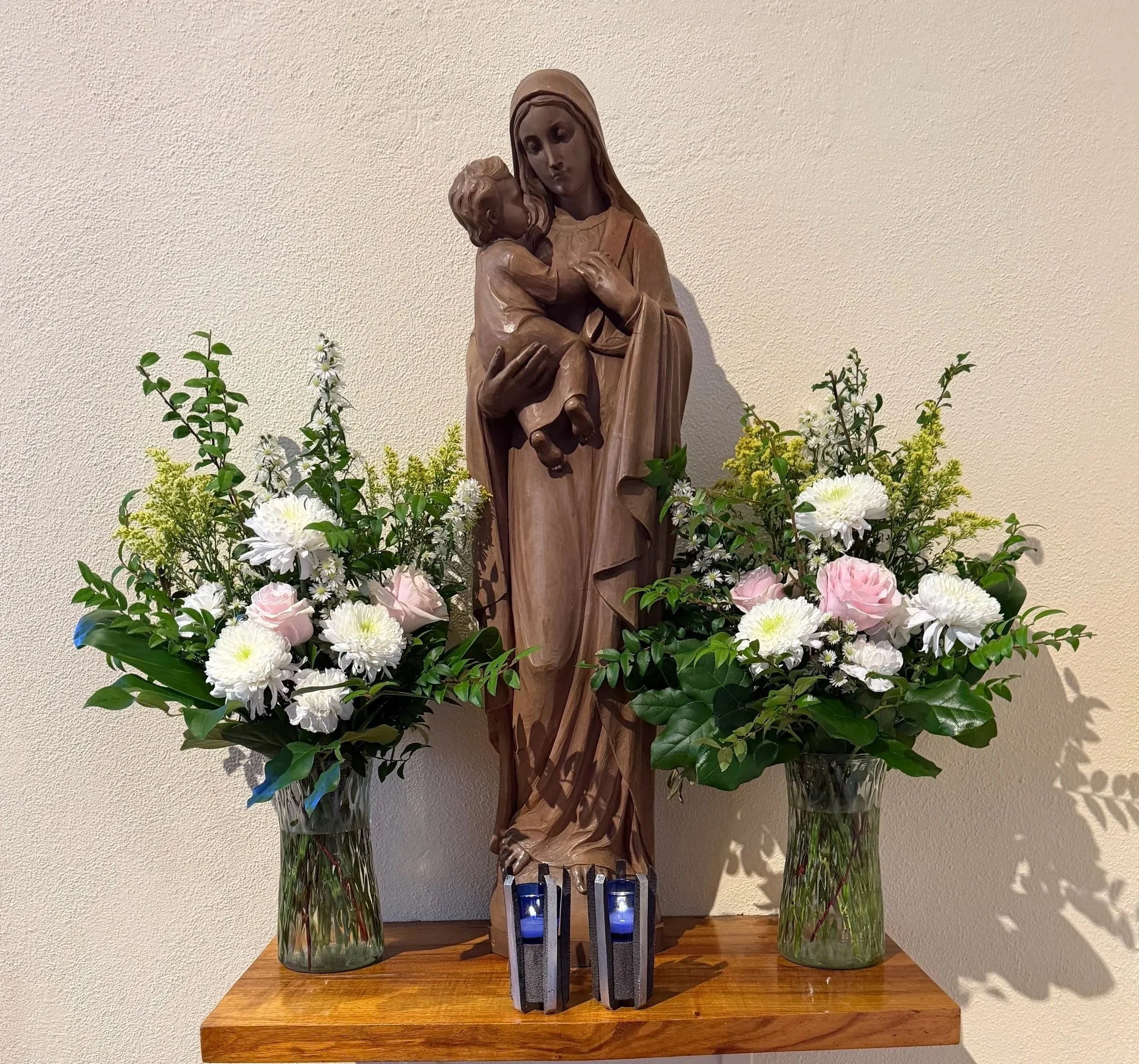
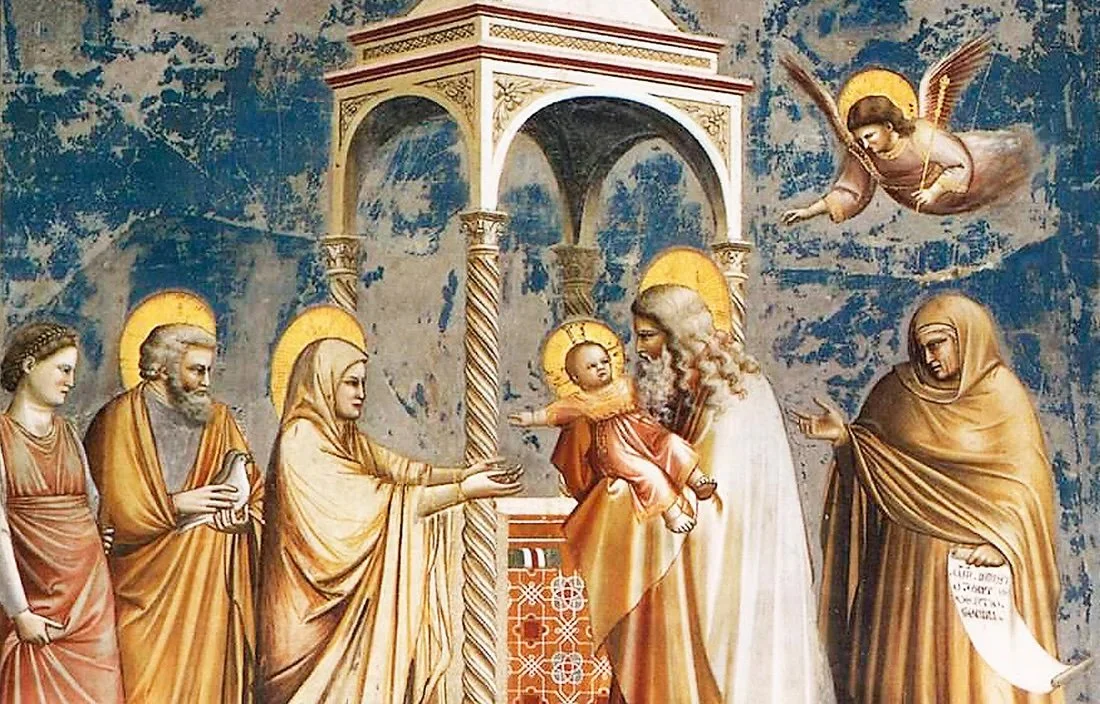
Our stewardship theme this year invites us to go out into the deep for our faith. It is based on Luke 5:4 when Jesus exhorts Peter to go out into the deep and lower the nets for a vibrant catch. With God among us, we are called to go deeper into the faith than we thought possible. The Church celebrates the saints, because they teach us to keep a relational gaze focused on Jesus Christ. We witness this especially with Mary and Jesus. Mary always has her gaze fixed on Jesus, and Jesus always has his loving eyes piercing Mary. Through their reciprocal gaze, we see their love for each other. Their relationship deepens, while faith increases.
This is the life we are called to embrace. As we focus intently on God, we take the time to pray the psalms, to read the Scriptures, and to be present in worship. In our frenetic world, we seek to be islands of peace in which God’s love may be discovered afresh. Each of us has our unique distractions for being present to God. We need to be aware of these distractions, for God is gazing at us with intention and love. May we also meet God’s gaze with our own loving eyes of joy and wonder.
Father Paul Lillie